When you open the fridge on a Sunday evening with three hungry children, grand gastronomic theories are of no use. What matters is a dish that everyone likes, that doesn’t require two hours of preparation, and that breaks the pasta-ham routine.
The culinary trends of 2026 are timely: they emphasize simple recipes, accessible ingredients, and cooking where the whole family gets involved.
Grandparent Recipes: The Nonna-stalgia Trend in Family Cooking
We’re not talking about vague nostalgia here. Several European media outlets identify a movement in 2026 called nonna-stalgia: the massive return of recipes passed down through generations, the ones found in spiral notebooks stained with tomato sauce. Gratin, pot-au-feu, semolina cakes, blanquettes: these comforting dishes are reclaiming their place at the center of the family table.
The reason is quite concrete. Faced with tight food budgets, people are returning to inexpensive staples (legumes, root vegetables, repurposed leftovers) and techniques that require neither special equipment nor hard-to-find ingredients. A gratin dauphinois feeds four people for the price of an industrial prepared dish.
For those looking for inspiration beyond the family recipe book, you can discover the Foodies and Family website where gourmet meal ideas coexist with formats designed for everyday life.
Family Cooking Workshops: Cooking Together as a New Outing
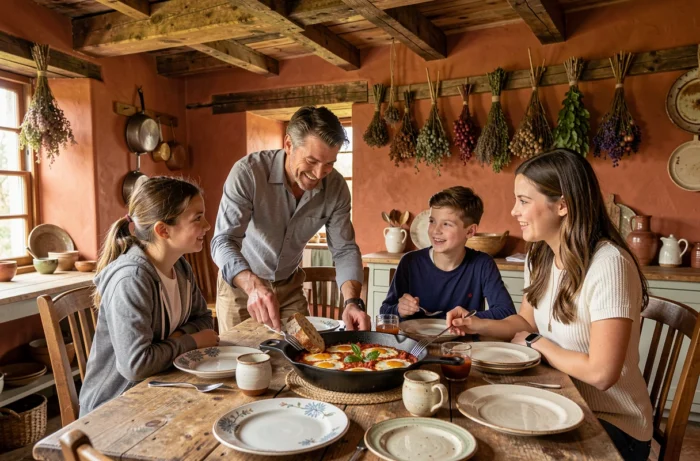
Family cooking is no longer limited to the home. Since 2025, culinary workshops have seen a marked increase in popularity. On the Wecandoo platform, bookings have increased by 236% in 2026 compared to 2025, totaling 47,000 clients. Parents and children sign up together for sushi, dumpling, or pastry classes.
What works with children is the hands-on aspect. We shape, we taste, we mess up, we try again. Feedback varies on this point, but many families find that children are more willing to eat a dish they have prepared themselves.
This logic can be replicated at home without a paid workshop:
- Choose a short recipe (vegetable pancakes, stuffed crepes, meatballs) where each child has a role: mixing, shaping, filling
- Organize a “cooking challenge” on the weekend with a mandatory ingredient, like a simplified TV show
- Prepare together the basics of Sunday batch cooking for the week (sauces, grains, roasted vegetables)
Batch Cooking and Quick Meals: Organizing the Week Without Sacrificing Flavor
Batch cooking is not new, but its adoption by families is accelerating. The principle: dedicate two to three hours on Sunday to prepare the week’s basics. You cook grains in large quantities, roast trays of vegetables, and prepare two or three different sauces.
The real gain is on weeknights, when assembling a complete meal takes fifteen minutes instead of an hour. A bowl of rice, roasted vegetables, a homemade miso sauce, a few seeds: the result resembles the bowls that remain popular in 2026, but without the restaurant bill.
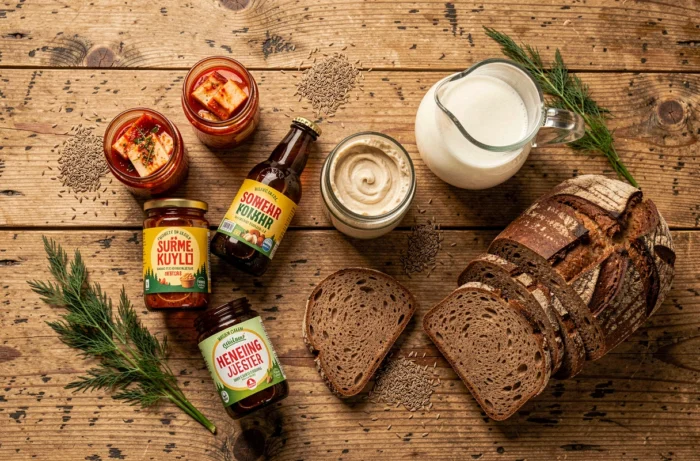
To make this sustainable, avoid overly rigid schedules. Three flexible basic preparations are better than seven fixed dishes. A Sunday roast chicken becomes a salad on Monday, a sandwich on Tuesday, and broth on Wednesday. This anti-waste approach also aligns with the trend of homemade preserves: jars of ratatouille, seasonal vegetable pickles, unsweetened compotes.
Accessible World Dishes: Fusion and Family Recipes Without Hard-to-Find Ingredients
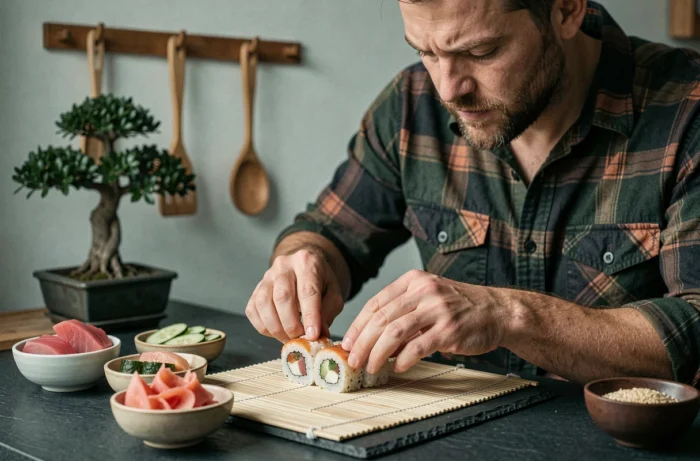
Fusion cuisine continues to attract, but in family versions, we seek realistic recipes. The sushi-tacos seen on social media won’t survive a Wednesday evening with 6 and 9-year-old children. What works better is adapting a foreign classic with supermarket ingredients.
A concrete example: bao buns (Chinese steamed buns) are made with flour, yeast, and water. The filling varies based on what you have (shredded chicken, sautéed vegetables, cheese for the pickier eaters). Children love folding them, and the result is a radical change from the daily sandwich.
Here are some world recipe ideas adapted for families:
- Korean zucchini pancakes (savory pancakes ready in ten minutes, to dip in soy-sesame sauce)
- Indian red lentil dahl, naturally sweet and rich in plant-based protein
- Mexican quesadillas filled with black beans and corn, cooked in a pan without special equipment
- Japanese onigiri (stuffed rice balls), perfect for picnics or snacks
You don’t need a specialty grocer for most of these preparations. Red lentils, soy sauce, sesame, and tortillas can be found in most supermarkets.
Homemade Snacks and Desserts: Cake, Cream, and Simple Treats
On the sweet side, the trend for 2026 leans towards short and low-sugar recipes. The yogurt cake remains the king of family snacks, but we vary it: adding lemon zest, replacing part of the flour with almond flour, incorporating seasonal fruits.
Homemade dessert creams (chocolate, vanilla, caramel) take less than fifteen minutes and are a great substitute for industrial pots. A marble cake prepared on Sunday lasts all week in an airtight container.
The key to making these habits last beyond January: don’t aim for perfection. One meal in three can be a simple dish, like a grilled cheese or a soup. The family culinary trends of 2026 don’t require you to become a chef, just to vary the pleasures a bit with recipes that make you want to return to the kitchen.